
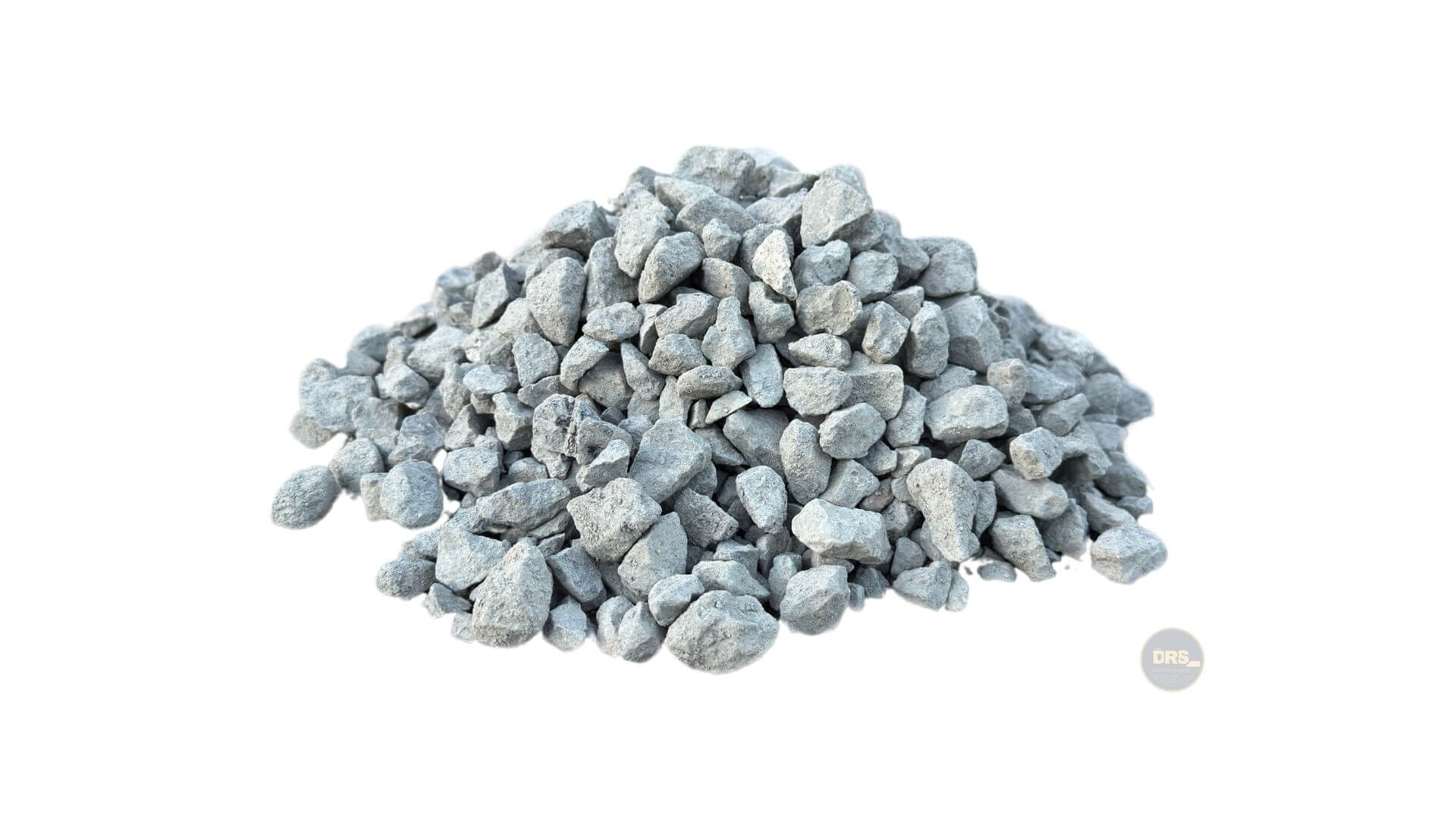
What Are Construction Aggregates?
Construction aggregates are granular materials, such as sand, gravel, crushed stone, and recycled concrete, used in construction applications. They serve as a base material for roads, bridges, buildings, and other structures. Aggregates contribute to the strength and longevity of construction projects by improving load distribution and minimizing settlement.
Common Types of Construction Aggregates
1. Crushed Stone

Uses:
- Road Base: Provides stability and drainage for highways and streets.
- Concrete Production: Mixed with cement and water to form concrete structures.
- Drainage Systems: Used in trenches and septic fields to facilitate water flow.
- Erosion Control: Prevents soil erosion on slopes and embankments.
2. Gravel

Uses:
- Driveways and Walkways: Provides a durable and low-maintenance surface.
- Drainage Solutions: Used in French drains and foundation backfill to prevent water accumulation.
- Concrete Mix: Acts as an aggregate component in concrete.
- Railroad Ballast: Stabilizes railway tracks by preventing movement and maintaining drainage.
3. Sand

Sand is a fine aggregate composed of finely divided rock and mineral particles. It plays an essential role in construction due to its binding properties.
Uses:
- Concrete and Mortar: Enhances strength and workability in masonry and construction applications.
- Asphalt Mixtures: Used in road construction to improve skid resistance.
- Fill Material: Levels and compacts areas before laying pavement or landscaping.
- Pipe Bedding: Supports underground pipes and conduits, preventing shifting or damage.
4. Decomposed Granite (DG)

Uses:
- Pathways and Patios: Provides a natural and compact surface for outdoor areas.
- Driveways: An affordable alternative to traditional paving materials.
- Erosion Control: Used on slopes and hillsides to prevent soil displacement.
- Landscaping: Adds an aesthetically pleasing, natural look to gardens and public spaces.
5. Recycled Concrete Aggregate (RCA)

Uses:
- Road Base and Subbase: Reduces the need for virgin materials in roadway construction.
- Fill and Backfill: Used for leveling and filling voids.
- Drainage Systems: Effective for water management applications.
- Green Building Projects: Contributes to sustainable construction efforts by reducing landfill waste.
6. Rip Rap

Uses:
- Shoreline Protection: Prevents coastal erosion along rivers and lakes.
- Slope Stabilization: Reduces soil erosion on steep inclines.
- Drainage Channels: Controls water flow in ditches and stormwater management systems.
- Bridge Abutments: Protects infrastructure from water erosion.
7. Pea Gravel

Uses:
- Landscaping and Garden Paths: Provides a natural and visually appealing surface.
- Playgrounds: Acts as a cushioning material under playground equipment.
- Drainage Solutions: Facilitates water movement in drainage fields.
- Concrete Mix: Enhances the texture and appearance of exposed aggregate concrete.
8. Limestone Aggregate

Uses:
- Road Base and Pavement: Offers excellent compaction and stability for highways.
- Concrete Production: Used as a key ingredient in ready-mix concrete.
- Agricultural Lime: Improves soil pH and promotes plant growth.
- Building Stone: Used for decorative and structural masonry.
Why Aggregates Matter in California’s Construction Industry
California has unique geographical and environmental conditions that make aggregate selection critical. High seismic activity, diverse climate zones, and urban expansion require durable and high-quality materials. Sustainable construction aggregate sourcing, such as the use of recycled materials, also plays a significant role in reducing environmental impact and conserving natural resources.
Key Considerations for Aggregate Selection in California
- Seismic Stability: Earthquake-prone regions require aggregates that enhance structural integrity.
- Drainage Efficiency: Proper drainage is crucial in areas with high rainfall or flooding risks.
- Sustainable Sourcing: Using recycled materials supports environmental sustainability.
- Local Availability: Sourcing materials from nearby quarries reduces transportation costs and carbon footprint.
Conclusion
The construction industry in California relies on a diverse range of construction aggregates to meet the demands of infrastructure development, residential projects, and landscaping. Understanding the different types of aggregates and their applications helps builders and developers make informed decisions to ensure structural durability and cost efficiency. By incorporating sustainable practices such as using recycled concrete and responsibly sourced materials, California’s construction sector can continue to grow while minimizing environmental impact.
For high-quality construction aggregates, visit Direct Rock Source, where we offer a wide selection of materials tailored to meet your project needs. Contact us today for expert guidance and competitive pricing!
Leave a Reply